Maintenance
A Garage Door Maintenance Checklist for Homeowners
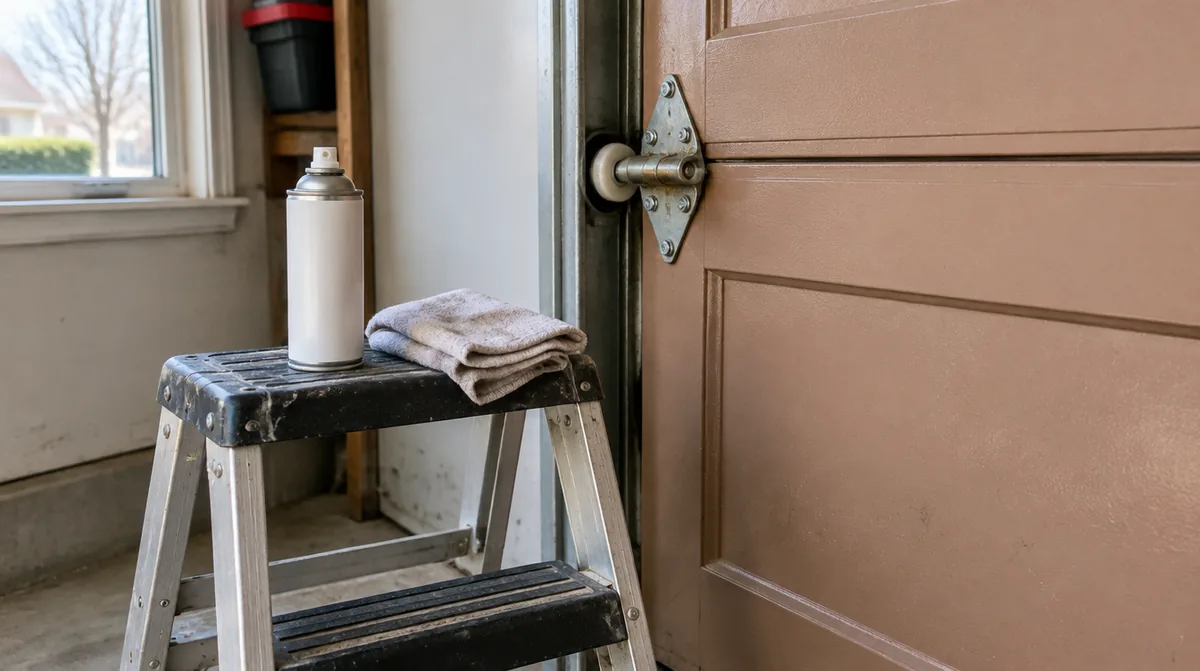
A garage door is the largest moving object in most homes, and it often goes years without anyone looking at it. This garage door maintenance checklist takes about half an hour a couple of times a year. It will not replace a repair when something breaks, but it catches small problems early and helps the parts you rely on last longer.
Before You Start
Close the door. Unplug the opener so nobody presses a button while your hands are near the hardware. Have a rag, a garage door lubricant and a flashlight. Leave anything to do with spring tension, the bottom corner brackets and the lift cables to a technician. Those parts are under high load.
Look
- Springs. Look for rust, a gap in the coil or uneven stretching on extension springs.
- Cables. Run the flashlight along each cable from the drum to the bottom bracket. Look for frayed strands, kinks or rust.
- Rollers. Look for cracked wheels, wobble or bearings that are falling apart.
- Tracks. Check for dents, bends and loose brackets. Make sure both sides look parallel.
- Panels. Look for cracks at the hinges, dents and separation at the seams.
- Bottom seal. Look for gaps, tears or a seal that has gone hard and flat.
- Weatherstripping. Check the strip along the sides and top for gaps.
Listen
Plug the opener back in and run the door through a full cycle while you stand clear. Listen for grinding, scraping, popping or rattling. A door that runs smoothly and evenly is a good sign. New noises are worth following up. Our guide to what makes a garage door noisy matches sounds to likely causes.
Lubricate
Use a lubricant made for garage doors, such as a silicone or lithium spray. Apply a light coat to:
- Hinge pivot points.
- Roller bearings, not the outside of the wheel.
- Torsion spring coils, or the ends of extension springs.
- The opener chain or screw drive, if your manual calls for it. Belt drives usually do not need it.
Do not grease the inside of the tracks. It traps dirt and makes rollers skid. Wipe the tracks clean instead.
Test
Balance
With the door closed and springs intact, pull the emergency release. Lift the door by hand to about halfway and let go gently. It should stay roughly in place. If it drops or rises, the springs need adjusting by a technician. Reconnect the opener.
Auto reverse
Lay a piece of wood flat on the floor in the door's path and close the door. It should reverse when it touches the wood. Then close the door and wave an object through the sensor beam. It should reverse again.
Sensors
Make sure both sensor lights are steady and the lenses are clean.
Tighten
Vibration loosens hardware. Check the lag screws that hold the track brackets to the wall too, since a loose bracket lets the whole track shift over time. Snug the bolts on hinges and track brackets with a socket wrench. Do not overtighten, and do not touch the bottom brackets that hold the lift cables.
When to Call
Keep a simple note of what you found each time, with the date. A spring that showed light rust last spring and heavy rust this fall tells a clear story. Patterns like that help you plan a repair before a part fails at a bad moment.
Call for help if you find a broken or rusty spring, a frayed cable, a door that fails the balance test or one that will not reverse. Springs are the part most often due for replacement, and our garage door spring repair page explains that work. Readers in Cedar Grove have their own local page.
If something on the list looks wrong, call (973) 400-5103 or use Get Estimate.