Springs
How Long Do Garage Door Springs Last?
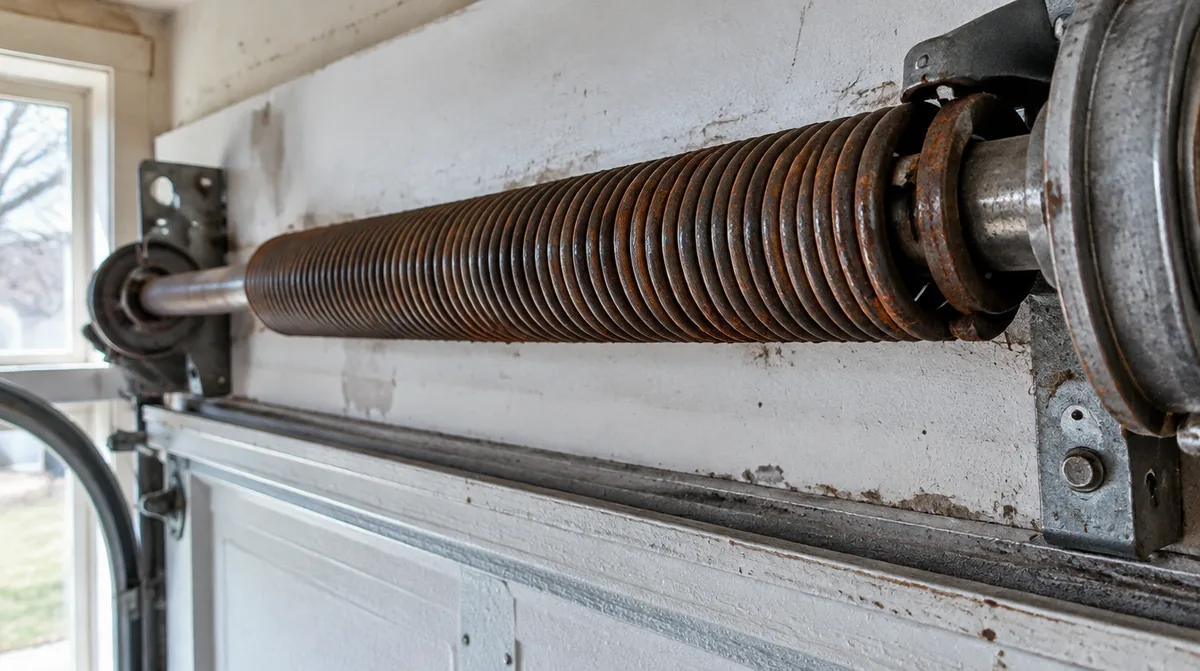
Ask a technician how long do garage door springs last and you will hear the same answer every time: it depends on how often the door moves. Springs are not measured in years. They are measured in cycles, and one cycle is the door opening once and closing once. Knowing that one fact makes it much easier to plan ahead.
Springs Are Rated in Cycles
Manufacturers rate springs for a set number of cycles before the steel is expected to fatigue. Standard springs carry a modest rating, and higher cycle springs are made with heavier wire or longer coils so each cycle stresses the steel less. The rating is an estimate under normal conditions, not a promise. A spring can fail early or run past its rating.
Turn cycles into years
Count how many times your door moves on a typical day. A household that drives out in the morning and back at night uses two cycles. A family with teenagers, a home gym in the garage and kids grabbing bikes might use eight or ten. Divide the rating by your yearly cycles and you get a rough idea of how long your springs should last. Heavy users can wear through a standard spring in a fraction of the time a light user would.
What Shortens Spring Life
- Rust. Moisture pits the steel and creates weak points. Garages that stay damp, or that take in road salt from wet cars in winter, see more corrosion.
- Wrong sizing. A spring that is undersized for the door works harder on every cycle.
- An unbalanced door. If one spring of a pair has already been replaced with a mismatched part, the load is not shared evenly.
- Cold snaps. Steel does not suddenly become brittle in winter, but a spring near the end of its life often gives out on a cold morning.
- Lack of lubrication. Dry coils rub against each other and wear faster.
Signs a Spring Is Near the End
What to look for
Springs rarely announce their failure in advance, but there are hints. A door that has started to feel heavier when lifted by hand is losing spring tension. A door that drifts down when you let go halfway is out of balance. Visible rust, flaking or a coil that looks stretched unevenly are all worth noting.
The balance test
With the door closed, pull the emergency release so the door is disconnected from the opener. Lift it by hand to about waist height and let go carefully. A balanced door stays roughly where you leave it. If it drops or shoots upward, the springs need attention. Reconnect the opener afterward. Skip this test if the door is hard to lift or if you suspect a spring is already broken.
How to Get More Life From Your Springs
Ask about higher cycle springs if your household uses the door heavily. They cost more up front but may save a second replacement down the road. Replace springs in pairs so both carry equal load. Keep the garage as dry as you reasonably can and avoid hosing salty slush toward the door. Include the springs in a yearly look at the whole door, as covered in our garage door maintenance checklist.
When It Is Time
A tired spring is not an emergency until it breaks, but it is worth planning for. When a technician replaces one, they size the new spring to the actual door weight and check the cables and drums at the same time. Our garage door spring repair page explains that visit in more detail, and households in Clifton and nearby towns can find local information there too.
If your springs are getting on in years, call (973) 400-5103 or use Get Estimate to have them checked.