Springs
How to Tell If Your Garage Door Spring Is Broken
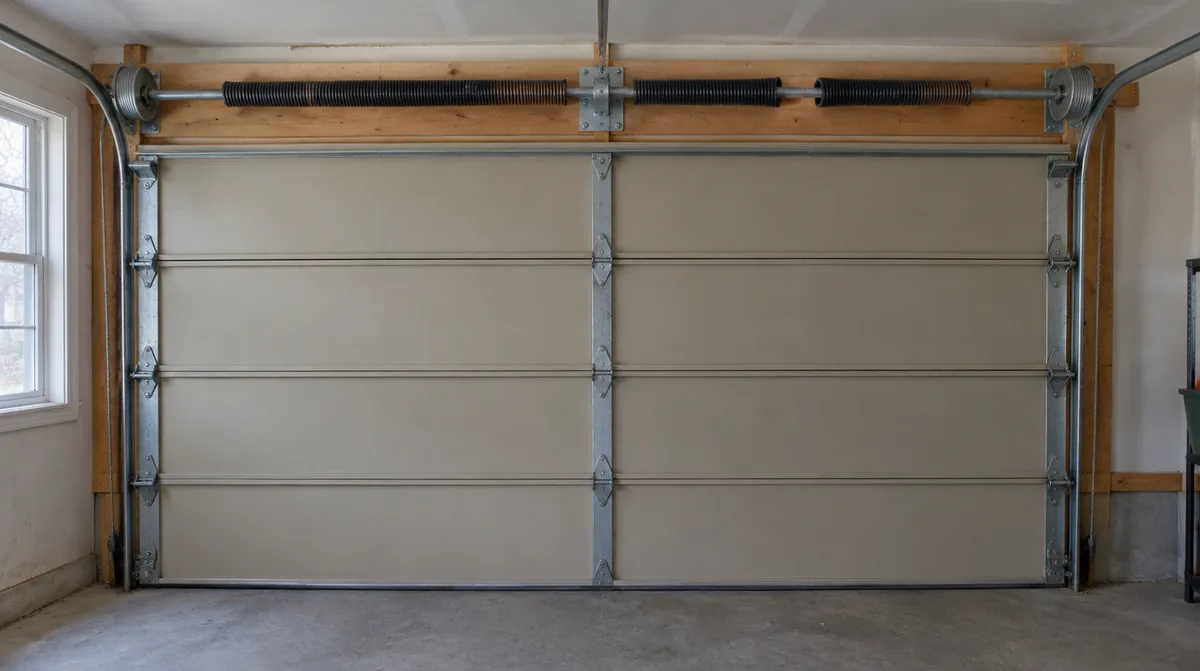
Most homeowners find out their garage door spring is broken on an ordinary morning. They press the button, the opener strains, and the door rises a few inches or not at all. The spring is the part that does the real lifting, so when it fails the whole system stops making sense. Here is how to recognise the problem with a quick look and a few safe checks.
The Signs You Can See and Hear
A bang from the garage
Springs often break while nobody is touching the door. A torsion spring stores a lot of tension, and when the steel finally fatigues it snaps with a sharp crack. Many people think something fell off a shelf. If you heard a loud bang from an empty garage, check the spring first.
A gap in the coil
Look at the bar above the door. A torsion spring is a tight coil wound around that bar. A broken one usually shows a clear gap of an inch or two where the coil separated. On doors with extension springs, which run along the ceiling tracks on each side, a broken spring may hang loose or lie on the floor.
The door feels like a wall
A balanced door is light enough to lift by hand once it is released from the opener. With a broken spring, that same door can weigh as much as a small car engine. If it barely moves when you try, the spring is no longer carrying it.
Other clues
- The opener runs and the motor sounds strained, then stops or reverses.
- The door lifts crookedly, with one side higher than the other.
- The cables look slack or have come off their drums.
- The top section bends or the door slams down quickly when closing.
Safe Checks You Can Do
You do not need tools to confirm what you suspect. Stand inside the garage with the door closed and the lights on. Look up at the spring and the cable drums at each end of the bar. You are looking for a gap, a loose coil or a cable that has unwound.
If the door is closed, leave it closed. Do not pull the emergency release cord to test the weight if the door is open, because a door without spring support can drop fast once it is disconnected from the opener. If the door is stuck partway up, keep people and cars clear of the opening.
Why Springs Break
Springs are rated for a certain number of open and close cycles. Each trip up and down flexes the steel a little. Eventually it fatigues and cracks. Rust speeds this up because pitted steel has weak spots, and cold weather can make an already tired spring give out. A family that uses the garage as its front door will wear springs out much sooner than a household that opens it twice a day.
Doors with two springs often have one break first. The remaining spring cannot carry the full load for long, which is why many technicians suggest replacing both at once so the door stays balanced.
What Happens Next
A technician will confirm the spring type, measure the wire size, length and inside diameter, and match the replacement to the weight of your door. They will also check the cables, drums, bearings and rollers, since a sudden break can stress those parts. After the new spring is wound, the door should stay put when lifted halfway by hand. That balance test tells you the job was done right.
If you are not sure whether you have a torsion or extension setup, our guide on torsion vs extension springs explains the difference. For more detail on the repair itself, see our page on garage door spring repair. If you live in Belleville, that page covers service in your area.
When you are ready, you can call (973) 400-5103 or use the Get Estimate form to schedule garage door service.